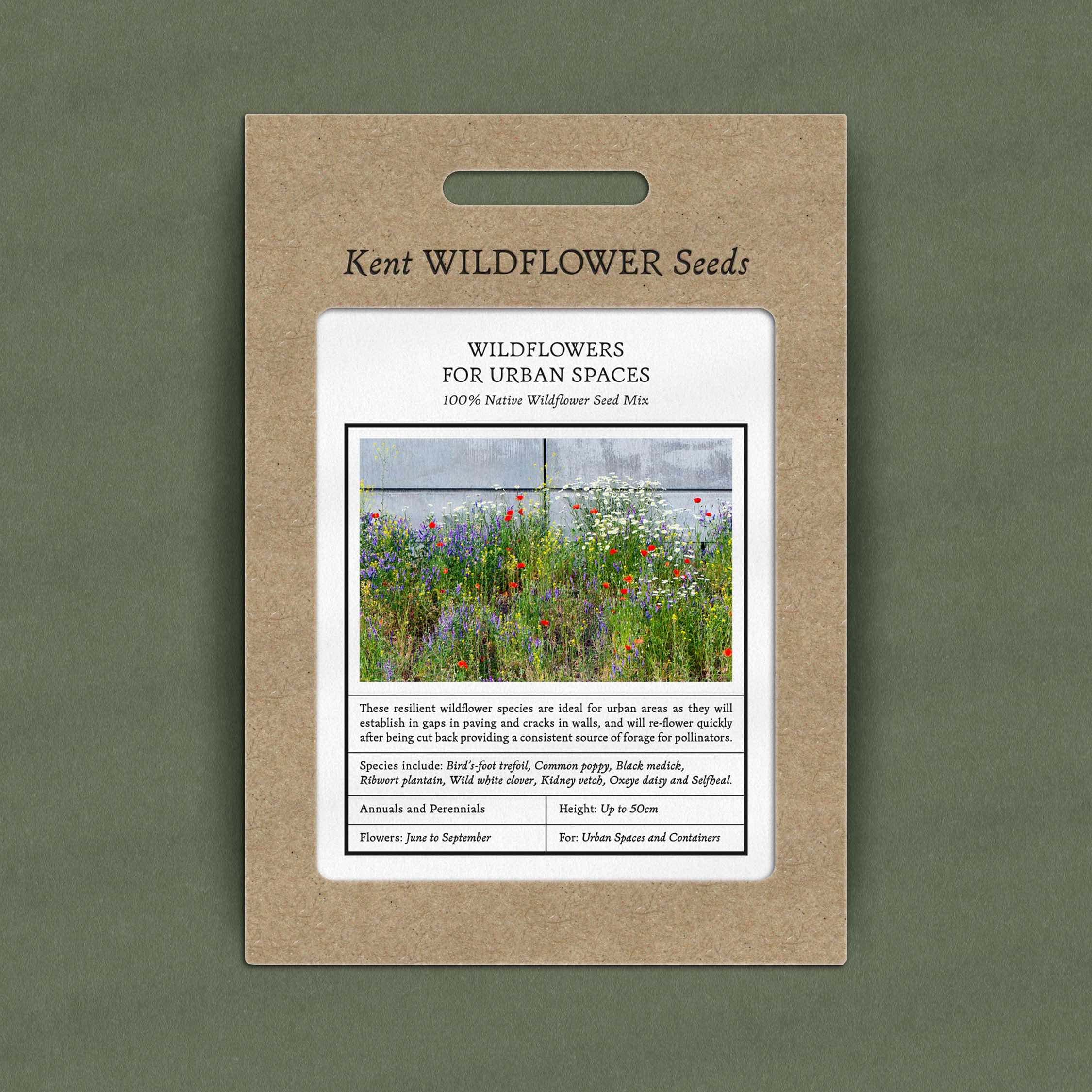
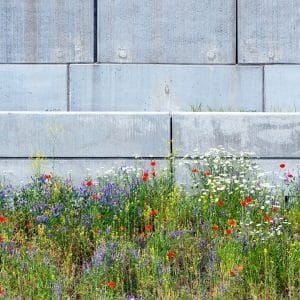
Our Wildflowers for Urban Spaces seed mix is designed to bring resilience and biodiversity into even the most compact green spaces, and establish plant life where previously none has survived. This blend of native wildflowers is selected for its ability to thrive in challenging environments, establishing readily in gaps in paving, cracks in walls, and other overlooked urban corners while offering reliable forage for pollinators throughout the season.
Why grow wildflowers for urban spaces?
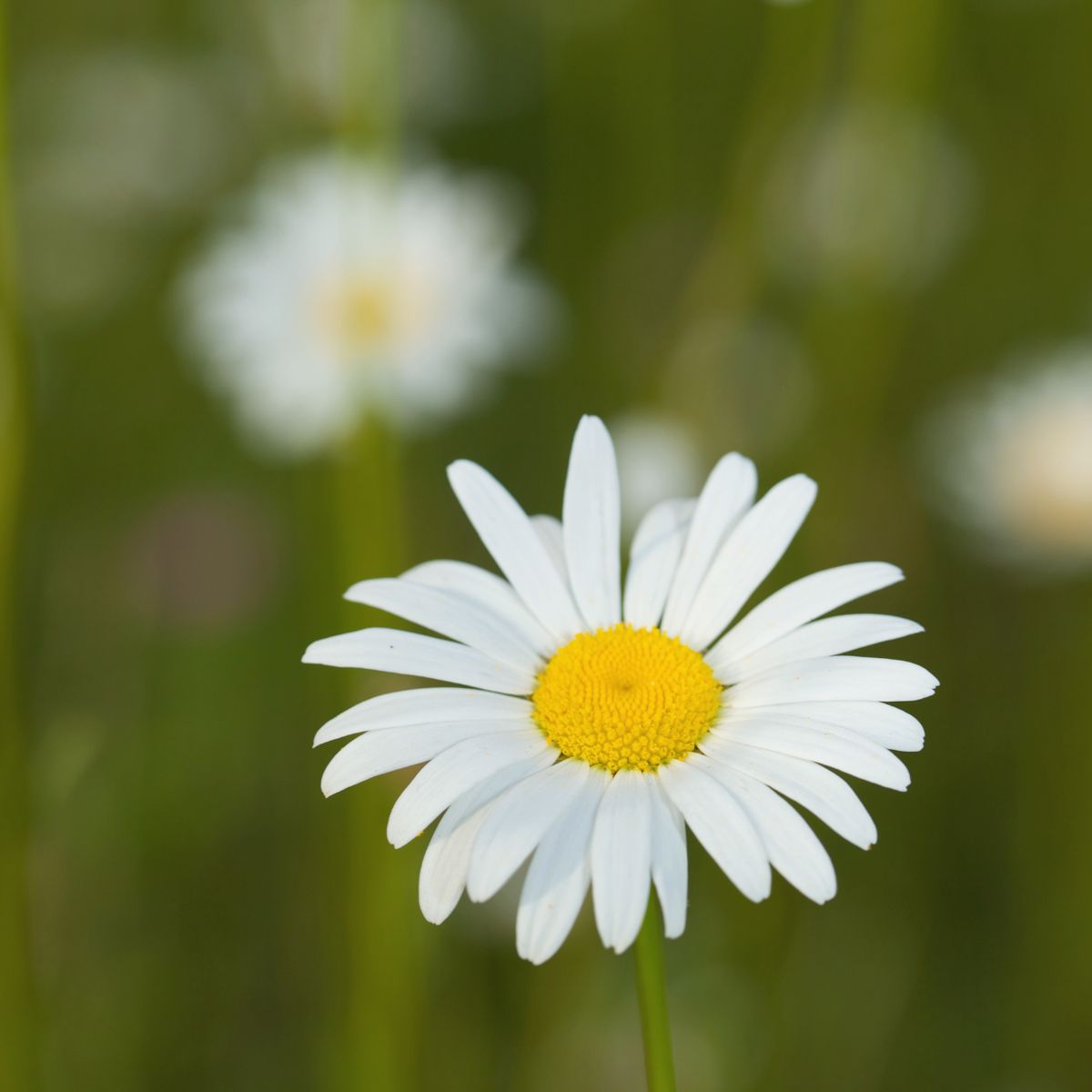
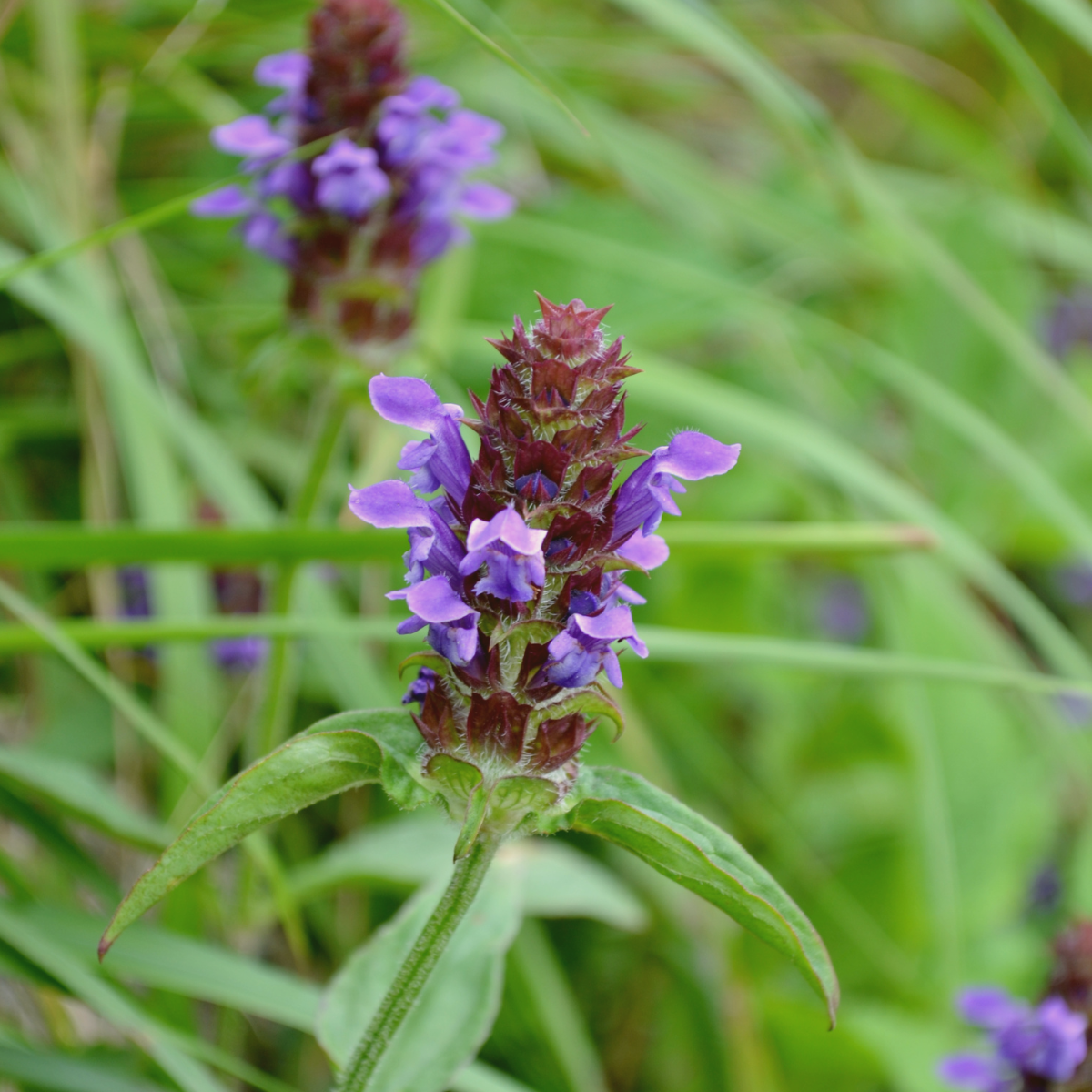
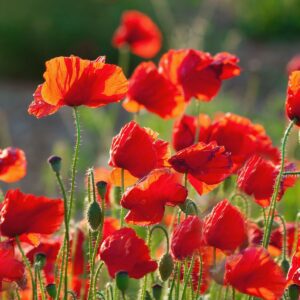
These species are naturally adapted to tough conditions, re-flowering quickly after being cut back and providing a consistent supply of nectar and pollen for bees, butterflies and other beneficial insects. Plants such as Bird’s-Foot Trefoil, Black Medick and Ribwort Plantain offer excellent ground-level habitat, while Common Poppy, Selfheal, White Clover and Oxeye Daisy bring colour and structure to courtyards, balconies and street-side planting. Sowing this mix is a simple way to transform small or hard-surfaced areas into pockets of thriving biodiversity, supporting wildlife while bringing softness and seasonal interest to the urban landscape. Ideal for city gardeners, balcony growers and anyone wanting to introduce nature into built environments in a sustainable, low-maintenance way.
Contents may change with each new harvest, and depending on availability. Suitable for most soil types, including poor or compacted ground. Do not add compost or fertiliser when sowing.
Where should I plant wildflowers for urban spaces?
These species can be introduced to a wide variety of urban settings. Scatter them into cracks between paving slabs, along the base of walls, or into areas where turf struggles to grow. They can also be added to courtyard beds, planted around driveways or grown in containers on balconies and roof terraces. Choose a sunny, well-drained location wherever possible, and avoid heavily shaded or waterlogged patches. Sowing in several micro-sites will encourage a diverse and dynamic display that offers long-lasting support for pollinators.
Sowing rate: one packet of seed will suffice for a guerrilla gardener keen to bring biodiversity to their local cityscape; however, city gardeners establishing a micro meadow should sow at 2g/m2 onto bare soil.
When to sow wildflower seeds: Ideally sown in autumn, however, for germination in the spring or early summer, they can be sown when the ground temperature is above 12 degrees and the conditions are warm and wet. Ensure that the seeds have good soil contact by pressing them lightly into the earth. Do not cover with soil. Take a look at these tips for successful wildflower seed germination.
Meadow Buttercup (Ranunculus acris) – Early-season nectar for bees and long-lasting meadow colour
Cornflower (Centaurea cyanus) – High-value nectar source and vibrant summer blooms
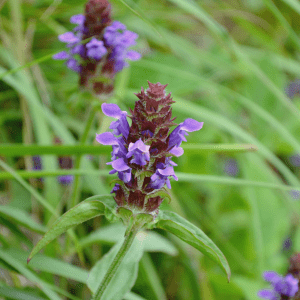
Selfheal (Prunella vulgaris) – Low-growing perennial providing consistent forage for pollinators
Yarrow (Achillea millefolium) – Drought-tolerant foliage and dense nectar-rich flower clusters
Tufted Vetch (Vicia cracca) – Climbing nitrogen-fixer with bee-attracting violet flowers
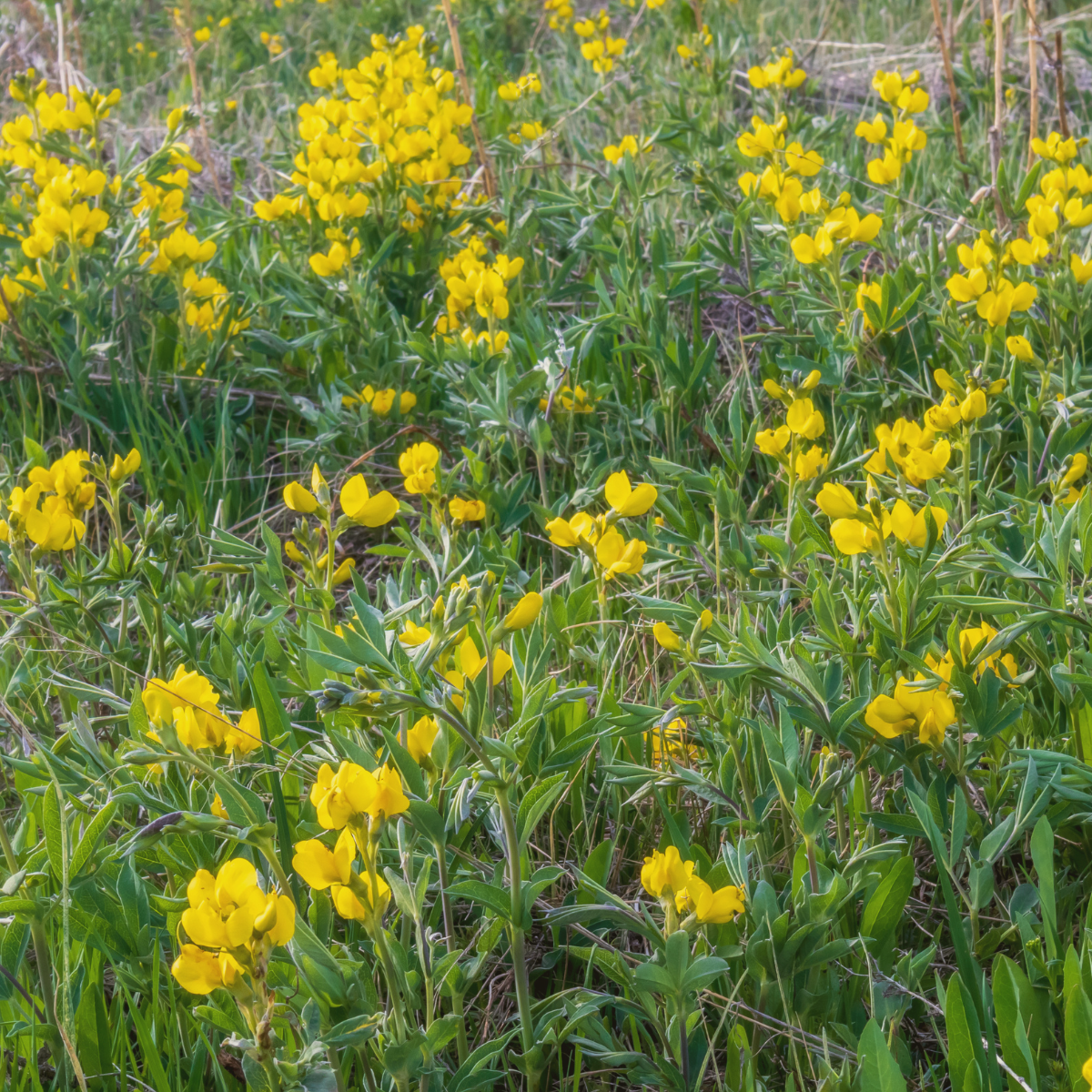
Bird’s-foot Trefoil (Lotus corniculatus) – Excellent pollinator plant and food source for caterpillars
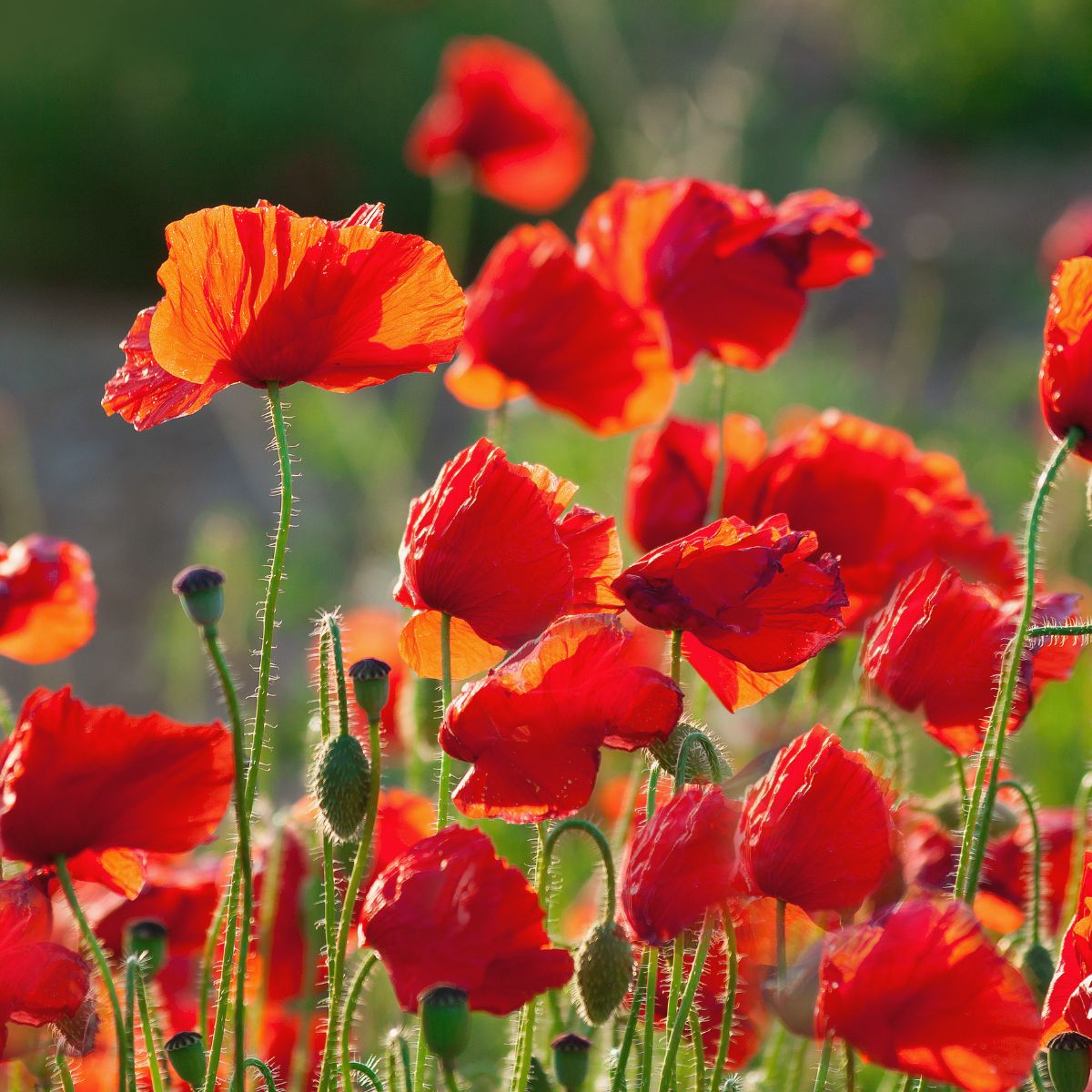
Poppy (Papaver rhoeas) – Iconic annual offering pollen for bees and striking seasonal colour
Ribwort Plantain (Plantago lanceolata) – Tough perennial adapted to compacted soils with valuable pollen
Salad Burnet (Sanguisorba minor) – Drought-tolerant foliage plant and consistent pollinator support
Kidney Vetch (Anthyllis vulneraria) – Sun-loving nitrogen-fixer and key plant for specific butterfly species
Wild White Clover (Trifolium repens) – Ground-hugging nitrogen-fixer with abundant nectar
Cowslip (Primula veris) – Early-spring flowers essential for emerging pollinators
Black Medick (Medicago lupulina) – Hardy nitrogen-fixer thriving in poor soils with pollinator-friendly blooms
Meadow Vetchling (Lathyrus pratensis) – Climbing perennial offering nectar for bees and hoverflies
Common Vetch (Vicia sativa) – Vigorous annual nitrogen-fixer supporting a range of pollinators
Ground Preparation: Creating the Right Conditions for Wildflowers to Thrive
Healthy soil starts with thoughtful groundwork. Our wildflower mixture for urban spaces is best sown onto low-fertility soil that’s free from thick grass and perennial weeds. These species thrive when they’re not outcompeted, so preparing your site well is essential.
Remove grass: Grass can quickly outcompete young wildflowers. In gardens, strip turf and roots from the surface. In larger areas where the grass is dominant sow yellow rattle the autumn before you plan to sow this mix—it’s a hemi-parasitic plant that naturally reduces grass dominance and creates space for other species.
Weed control: Remove persistent weeds either by repeated hoeing, cultivation, or hand-pulling. Pay special attention to docks, nettles, and thistles.
Soil preparation: Lightly dig or rotavate the area to expose soil. Then rake the surface to create a fine, crumbly texture (known as a ‘tilth’)—ideal for seed-to-soil contact.
Firm the soil: Tread or roll the area to create a level, firm seedbed. Wait a week, then pull up any new weed growth before sowing.
Sowing: When and How to Sow
The best time to sow is autumn (August to October) or spring (March to May) when the soil is moist and temperatures are rising. You can also sow during summer with regular watering, ideally using collected rainwater.
How to sow:
- Even coverage: Mark off the area you plan to sow into sections and split the seed accordingly. Mix each portion of seed with a few handfuls of soil and then scatter evenly across the area. If scattering over cracks in concrete, ensure the seeds have soil contact.
- Surface sowing only: Scatter the seed mix on top of the ground—do not cover with soil. Many of these seeds need light to germinate.
- Press, don’t bury: Lightly press seeds into the soil by walking over the area or using a roller to ensure firm contact with the soil.