
Bee friendly plants
Wildflower Plants for Bees & Butterflies
Pollinating insects need a steady supply of nectar and pollen, and wildflowers provide exactly that. By planting a variety of native species that flower from spring through autumn, you can support bumblebees, honeybees, and solitary bees at every stage of their life cycle.
Early Spring Flowering Wildflowers For Bees
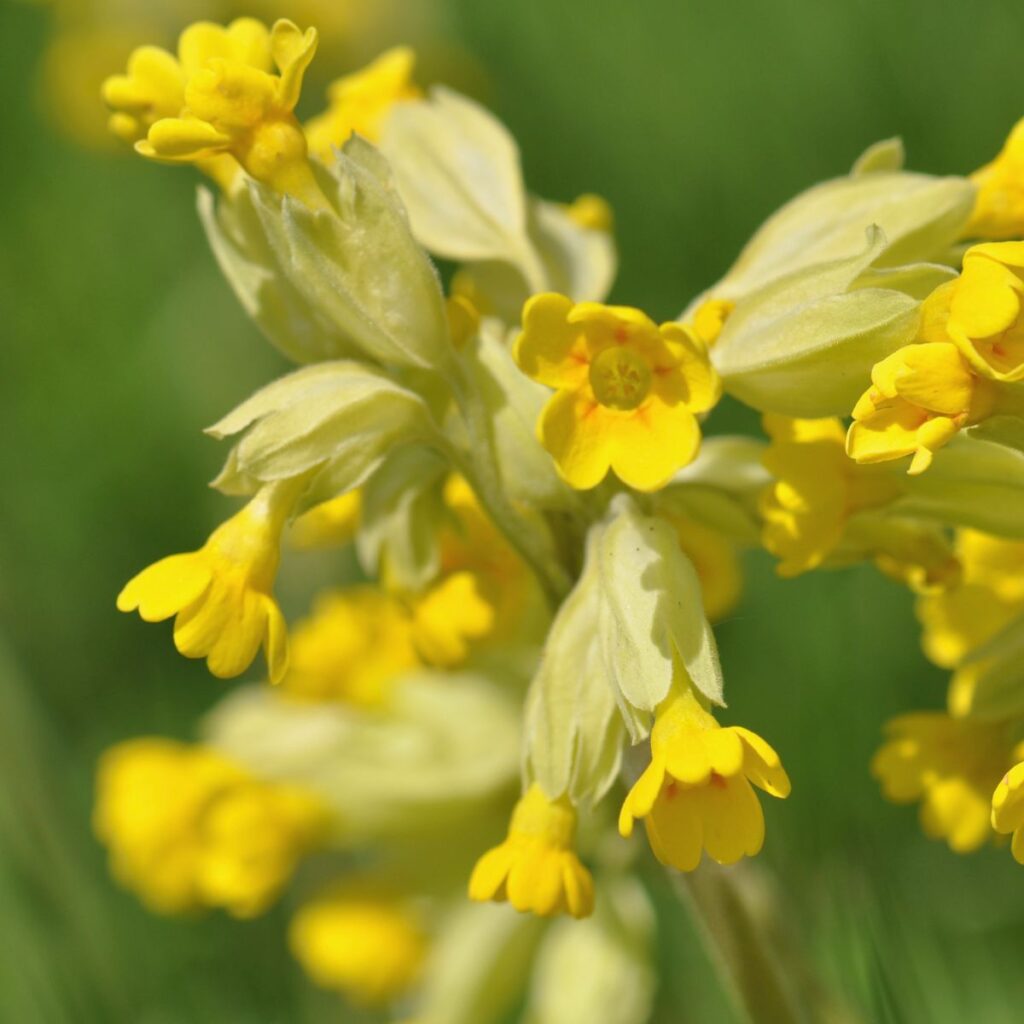
When bees emerge in spring, nectar supplies are often scarce. Early‑flowering blooms such as cowslips, primroses, white dead-nettle and lesser celandine are a lifeline. By adding early‑flowering species to your garden borders, you ensure forage is available for pollinating insects well before the rest of the garden wakes up.


Why Wildflowers Matter For Bees & Butterflies
There’s a quiet beauty in wildflowers, those small blooms we often pass by without much notice. For bees, butterflies, moths and hoverflies, though, they’re essential. In a landscape shaped by mown lawns, neat borders and farmed fields, wildflowers are one of the few reliable sources of nectar and pollen.
One of their greatest strengths is the way they flower in succession. From the first signs of spring through to the end of autumn, different species take their turn, ensuring that there is always something in bloom. That continuity of food is far more valuable to pollinators than a single burst of colour that fades in just a few weeks.
Diversity matters too. A mix of flower shapes, heights and flowering times will support a far greater range of insects than a uniform garden border or a lawn. The more variety you weave into your planting, the more life your garden will be able to sustain.

Best flower shapes for bees
Different pollinators are adapted to specific flower shapes. Flat, open flowers like cornflower, daisy, and borage offer easy access to nectar and a landing platform, making them favourites of bees, hoverflies, and butterflies. Tubular or bell-shaped flowers such as cowslip, foxglove, and honeysuckle suit long-tongued bees, butterflies, and moths that can reach nectar hidden deep inside. Some flowers even rely on “buzz pollination,” a skill unique to bumblebees.
By growing a range of flower shapes and structures, you support a greater variety of pollinators and improve overall garden biodiversity.

Understanding pollinating insects
When most of us think “pollinator,” the honeybee often comes to mind, but the world of pollination is much broader and more fascinating, here are a few native species.
Wild bees / solitary bees:
Honeybees are social insects that live in large colonies and forage over long distances. They are effective pollinators but can outcompete wild pollinators for food—especially in smaller or less diverse habitats.
Honeybees:
Social insects, they forage widely and are strong pollinators, but they often compete for resources with wild pollinators (especially in small gardens).
Bumblebees:
Bumblebees are larger and more robust than many other bee species. They can forage in cooler, wetter weather and are able to access deep or complex flowers thanks to their size and longer tongues.
Hoverflies:
Hoverflies are often mistaken for bees or wasps. As adults, they feed on nectar and pollen, helping with pollination. Their larvae are valuable garden allies, consuming large numbers of aphids and other pests.
Moths and butterflies:
Butterflies typically feed during the day, using their long proboscis to reach nectar in deep, tubular flowers. Many moths are active at dusk or night, playing an important role in pollinating night-blooming plants.
Summer Flowering Wildflowers For Bees & Butterflies
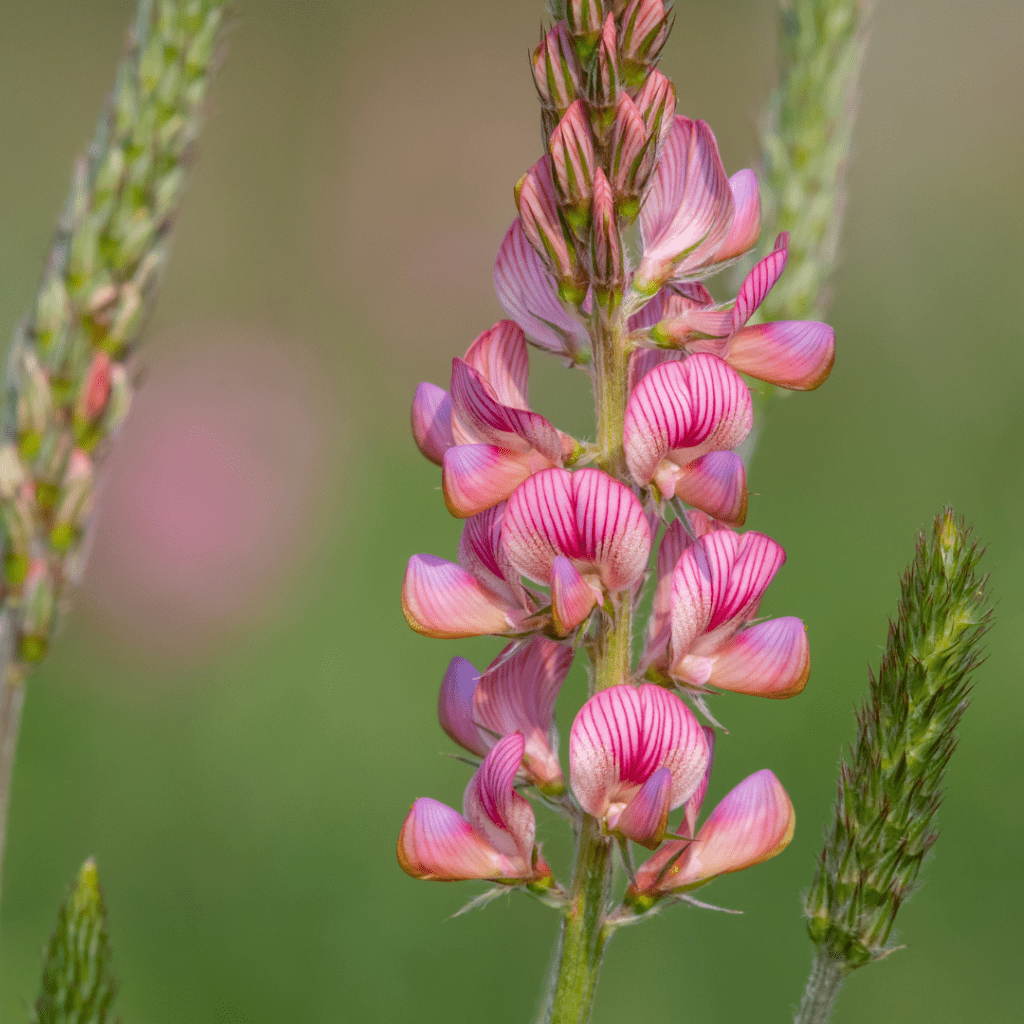
During the summer months, pollinators such as bumblebees, butterflies, hoverflies and moths depend on wildflower species like knapweed, oxeye daisy, bird’s-foot trefoil and meadow buttercup for food sources. Adding summer-flowering wildflowers not only extends the season of interest in your garden or meadow, but also supports pollinators at their busiest time of year.




RETHINK YOUR WEEDS
Grow Wild With Us
Late Flowering Wildflowers For Bees
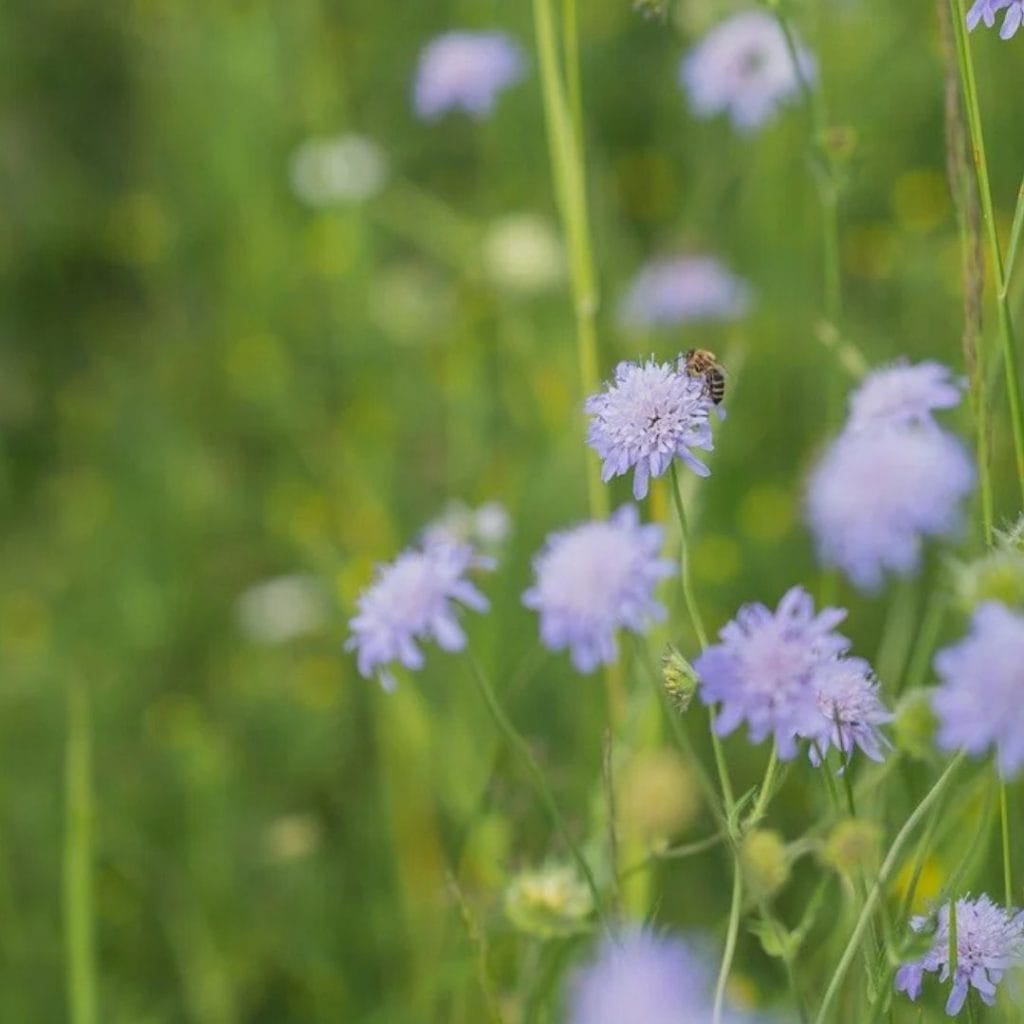
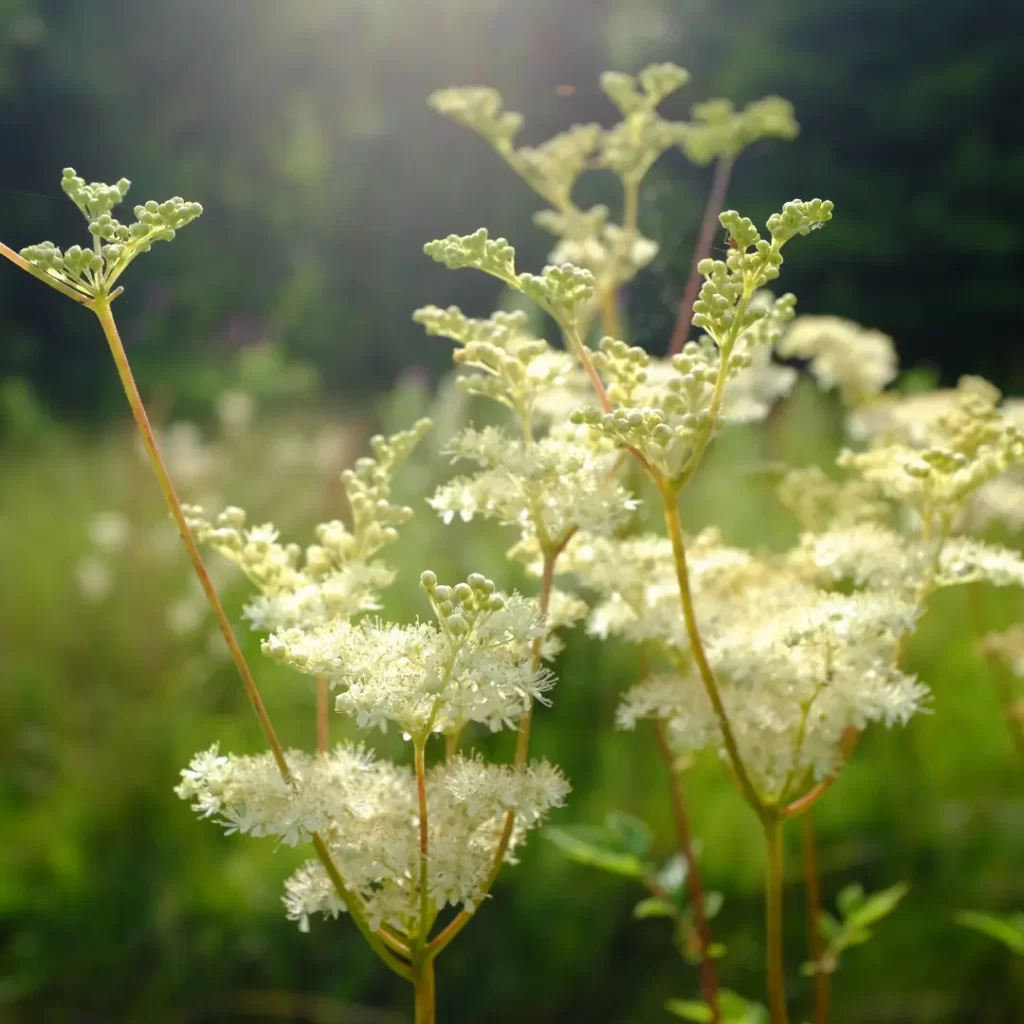
Late-flowering wildflowers, plants like greater and common knapweed, meadowsweet, wild carrot and devil’s-bit scabious, are vital for pollinators preparing to overwinter and much needed sources of forage when nectar is becoming scarce.


PLanTs for pollinators
How Gardeners Can Create a Bee-Friendly Space
You don’t need a big wildflower meadow to make a difference.
Even a border strip, path edge, or sunny corner can become a bee-friendly garden that hums with life.
Creating space for pollinators isn’t complicated; it’s more about choosing the right wildflower seeds, giving them a good start, and then simply letting nature take the lead.
Choosing Wildflowers To Grow From Seed
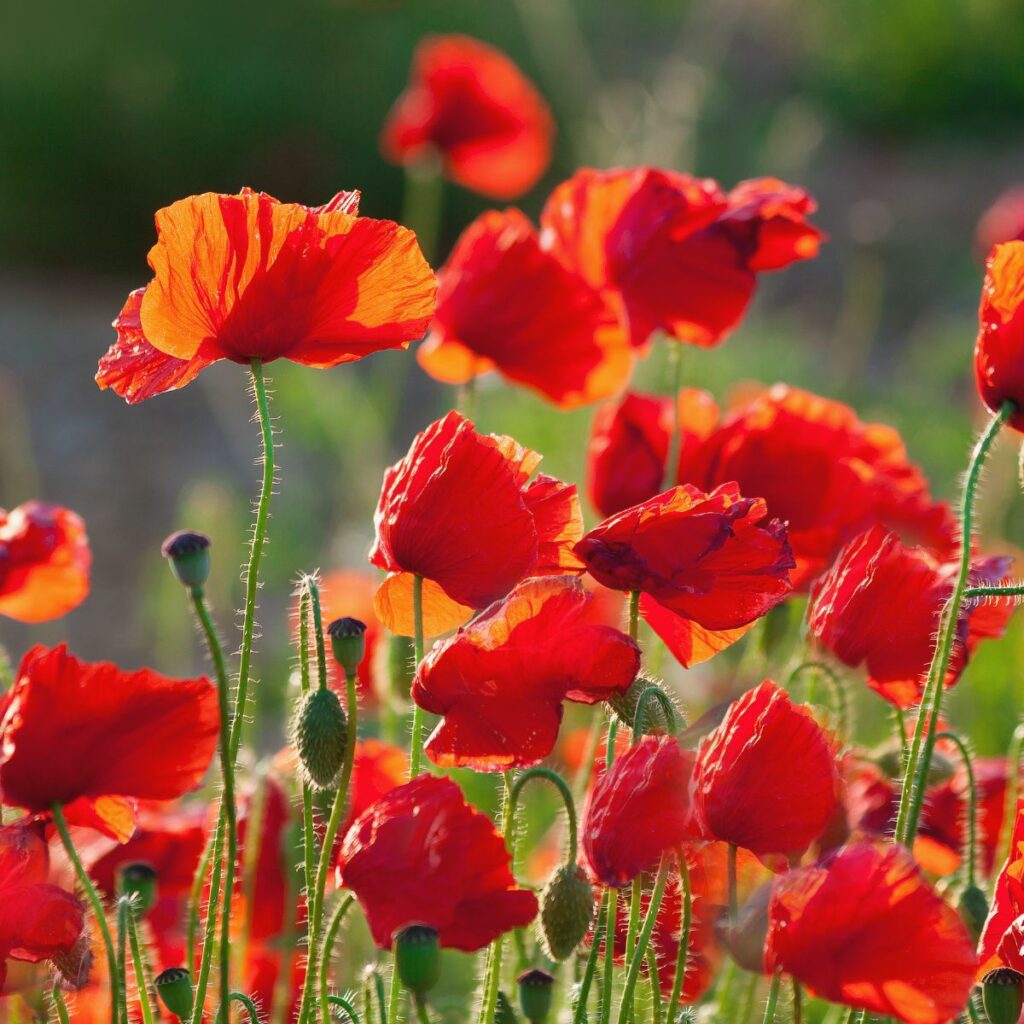
Our Bee Garden Wildflower Collection includes Viper’s Bugloss, Oxeye Daisy, and Common Poppy seeds, which are all rich in nectar and especially attractive to bees.
Our Butterfly Food Plants Collection offers species like Field Scabious, Agrimony, and Common Knapweed, which provide both nectar and larval food sources, making them perfect for butterflies and moths.
If you’d rather choose individual wildflower straights, we have a wide selection of pollinator favourites, including Cornflower, Oxeye Daisy, Common Poppy, Cowslip, and Greater Knapweed. Mixing a few of these gives you a beautiful palette of nectar and host plants.
Preparing your soil
Wildflowers prefer soil that is low in nutrients, well-drained, and competition-free. It’s best to remove any existing turf or weeds and rake the soil to a fine tilth before sowing.
When to sow
Sow wildflower seeds in autumn (August–October) or spring (March–May). Seeds need good soil contact, but don’t bury them, just scatter, then firm them in gently.
Keep them watered
Keep the soil lightly moist during germination, especially in dry spells, for the first 2–4 weeks. Once established, most wildflowers are quite resilient and need very little support.
STart a meadow from scratch
Create Habitats, Build Biodiversity
Wildflowers For Bees & Butterflies
Bring More Pollinators Into Your Garden
Wildflowers aren’t simply beautiful, they’re the beating heart of a biodiverse landscape. In gardens, field corners, orchards or even tiny patches by a path, sowing just a handful of the right native wildflowers, bulbs or nectar rich plants can create a small but powerful refuge for pollinators. When we choose a thoughtful mix of early, mid and late-flowering species, prepare the soil gently, and then mostly step back, we give nature the chance to return and flourish.
If you’d like a hand choosing a mix that suits your soil, light levels, or the space you have, we’re very happy to help. You can email us at [email protected] or find us on Instagram @kent.seeds. We’d love to hear from you with your questions, garden photos, or updates on how your little wildflower patch is beginning to grow.
Happy sowing, and may your garden buzz with life.